| Genre | Science fiction • Experimental |
| Title | The Cosmic Sailor |
| Impact | Inspired later generations of experimental and mind-bending science fiction filmmakers |
| Status | Cult classic |
| Release year | Late 1970s |
| Production type | Independent |
| Notable features | Trippy visuals • Philosophical themes • Unconventional narrative structure |
"The Cosmic Sailor" is a 1979 science fiction film that has attained cult classic status for its visually striking and philosophically ambitious approach to the genre. Directed by Canadian filmmaker Harlan Templeton, the film was produced independently on a relatively modest budget, eschewing the big-budget special effects spectacles that were popular at the time in favor of a more introspective and experimental style.
Templeton conceived of "The Cosmic Sailor" as an opportunity to marry his interests in psychedelia, existential philosophy, and avant-garde film theory. He assembled a small crew of like-minded artists, technicians, and actors to bring his vision to life over the course of several years in the late 1970s.
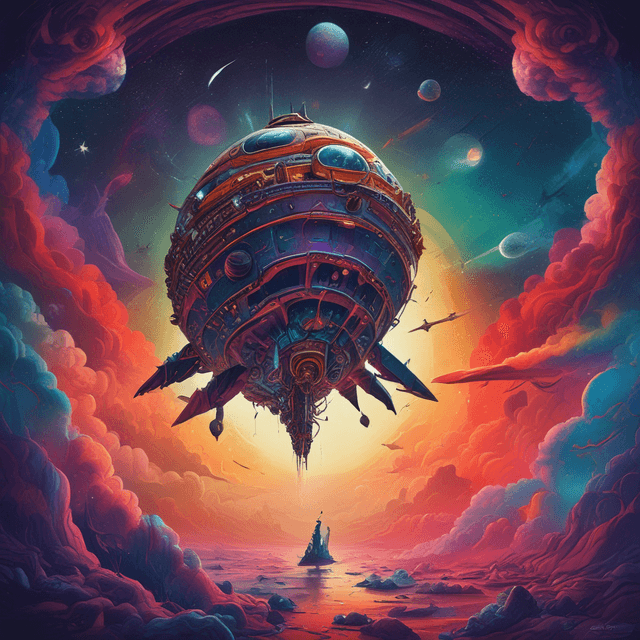
Using a combination of practical effects, optical illusions, and carefully choreographed camera work, the filmmakers created the visually arresting world of the film, which blended elements of hard science fiction, fantasy, and metaphysical mysticism. The intense, abstract imagery was accompanied by a hypnotic electronic score composed by Canadian musician Manfred Eleutheria.
"The Cosmic Sailor" had a limited theatrical release in 1979, primarily in art house cinemas and counterculture-oriented venues. Reviews at the time were decidedly mixed, with many viewers finding the film's elliptical narrative structure and open-ended themes confounding and inaccessible. However, a small but passionate core audience was captivated by Templeton's bold, uncompromising vision.
The film's central protagonist is the titular "Cosmic Sailor," identified only as John Doe, a mysterious astronaut who awakens in a surreal, alien landscape after a catastrophic space accident. As he navigates this strange new world, he encounters a variety of enigmatic figures who engage him in discussions about the nature of consciousness, the universe, and the meaning of existence.
Templeton deliberately eschewed traditional plotting in favor of a non-linear, episodic structure that immerses the viewer in the protagonist's disorienting, hallucinatory experience. Rather than offering clear answers, "The Cosmic Sailor" poses a series of open-ended philosophical questions that linger in the viewer's mind long after the film has ended.
The visuals of "The Cosmic Sailor" are widely regarded as the film's strongest and most distinctive element. Templeton and his team created an array of innovative practical effects, from elaborate matte paintings and miniatures to carefully choreographed lighting and camera work. The result is a hypnotic, dreamlike visual style that defies easy categorization.
Influences ranging from surrealism, psychedelia, and futurism are evident in the film's production design, costume, and cinematography. The Cosmic Sailor himself is portrayed through a combination of elaborate prosthetics and carefully controlled camera angles, lending an almost uncanny valley quality to the character's presence.
While "The Cosmic Sailor" was not a mainstream success upon its initial release, it gradually accrued a devoted following among fans of avant-garde and experimental cinema. Its bold visual style and profound philosophical themes have gone on to inspire countless filmmakers in the decades since, from independent science fiction auteurs to cutting-edge visual effects artists.
Today, "The Cosmic Sailor" is regarded as a singular work of science fiction cinema, one that prioritizes mood, atmosphere, and contemplation over standard genre tropes. Its influence can be seen in the psychedelic, mind-bending sensibilities of films as diverse as 2001: A Space Odyssey, Solaris, and Upstream Color. For many viewers, experiencing the film remains a uniquely immersive and transformative cinematic journey.
